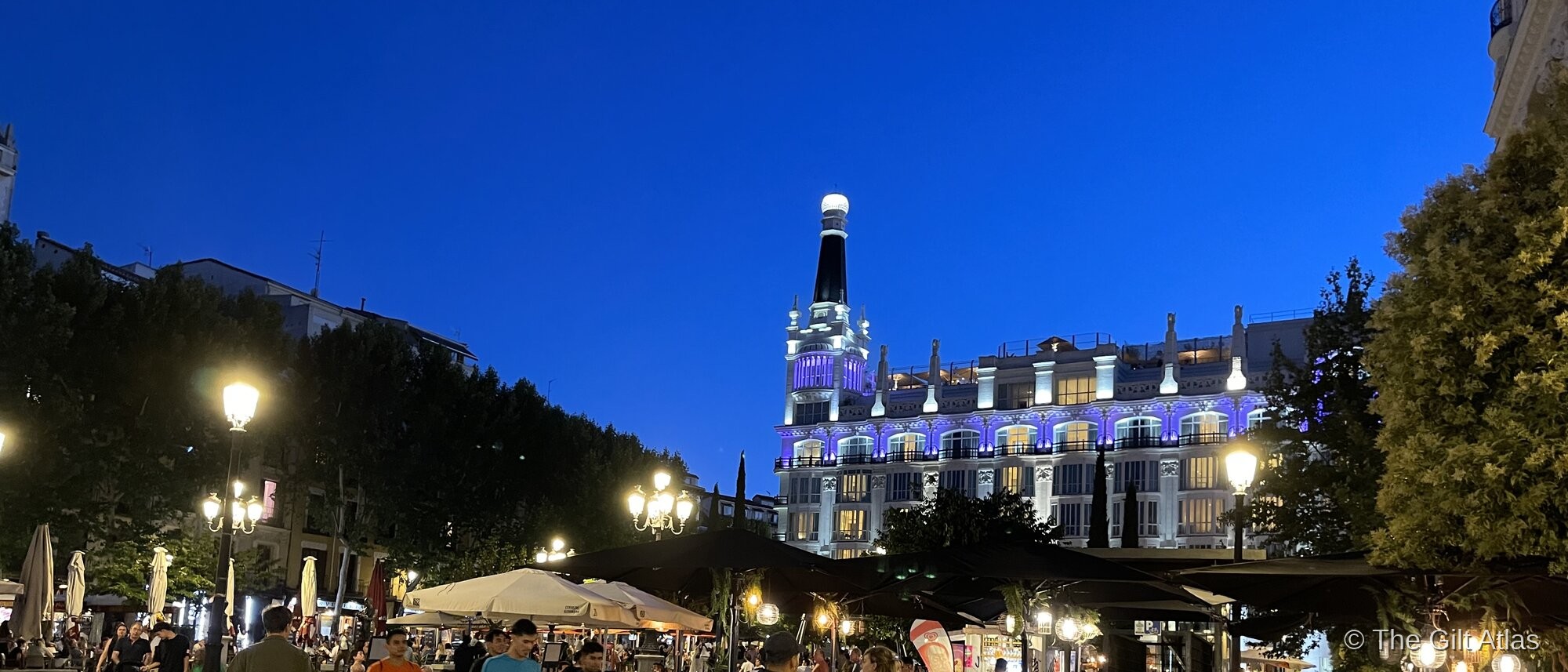
I have stayed at the Westin Palace Madrid more times than I can easily count, and my opinion of it has only improved with each visit. That is a rare thing. Most hotels reveal their limitations over repeated stays — the noise from a particular corridor, the indifferent room service, the sense that the warmth of the first visit was a performance rather than a culture. The Westin Palace has done the opposite: every stay has felt like a return to somewhere that knows me, in a city I love, in a building that Madrid itself seems proud of.
It is, without qualification, my favorite hotel in Madrid. I have said this to people planning trips to the Spanish capital many times, and I am happy to put it in writing here: if you are staying in Madrid for more than a night or two, and you have access to Marriott Bonvoy points or a rate that works for your budget, this is where you should be.
Why I keep coming back
The reviews in this section of The Gilt Atlas are almost always first-hand accounts of a single stay. The Westin Palace is an exception — I have returned here multiple times across different trips to Madrid, which puts it in a small category of hotels I consider genuinely reliable rather than merely impressive on introduction. A hotel you return to voluntarily, when you have other options, is making a different kind of argument for itself than one you visit once. The Westin Palace Madrid has earned that argument.
The building: a palace that functions as a hotel
The Westin Palace opened in 1912 under the patronage of King Alfonso XIII, who commissioned it as Madrid's answer to the great European palace hotels of the era. The building that resulted — a Beaux-Arts behemoth on the Plaza de las Cortes, directly across from the Museo del Prado — remains one of the finest pieces of early 20th-century hotel architecture in Spain. The facade alone stops you in the street.
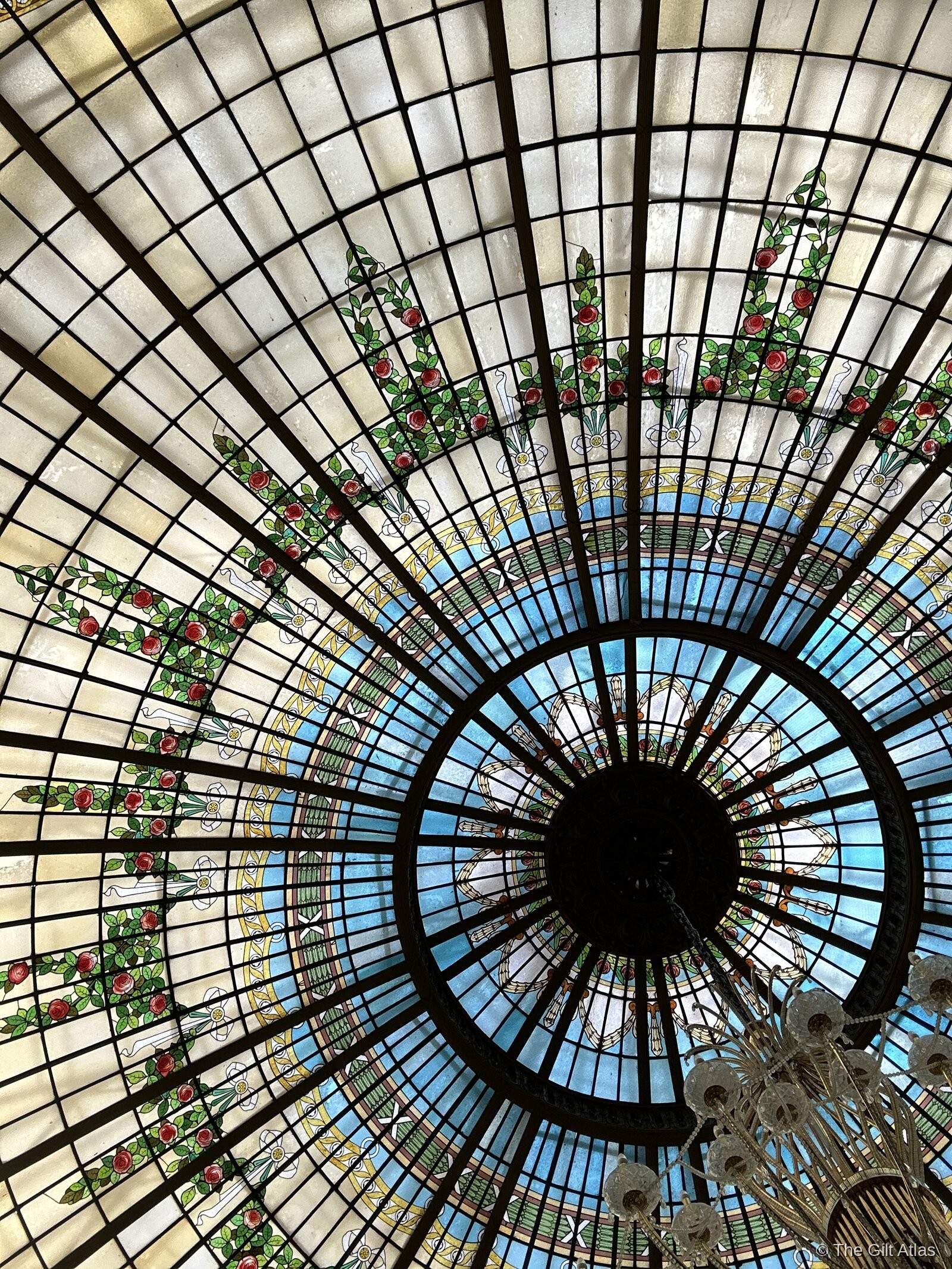
But it is the interior that earns the superlatives. The hotel's signature space is La Cúpula — a vast, domed, stained-glass rotunda at the heart of the building, flooded with natural light, ringed with marble columns, and filled throughout the day with the murmur of the city passing through. It has been Madrid's living room for over a century: politicians and writers, artists and diplomats, tourists and locals, all gravitating toward the same luminous space. Ernest Hemingway drank here during the Civil War. The government of the Second Spanish Republic met here during the siege of Madrid. The building carries history the way certain buildings do — not decoratively but structurally, as something that happened in these specific rooms and has not fully left.
Walking through the public spaces of the Westin Palace — through the rotunda, past the grand staircase, through the corridors lined with historical photographs — produces the particular pleasure of being inside a building that matters. It is not a reproduction of grandeur. It is the thing itself, still functioning, still beautiful, still serving its original purpose.
"La Cúpula has been Madrid's living room for over a century. Sitting beneath the stained glass with a coffee in the morning, you feel the full weight of that history without it being heavy."
— From the notebook, Madrid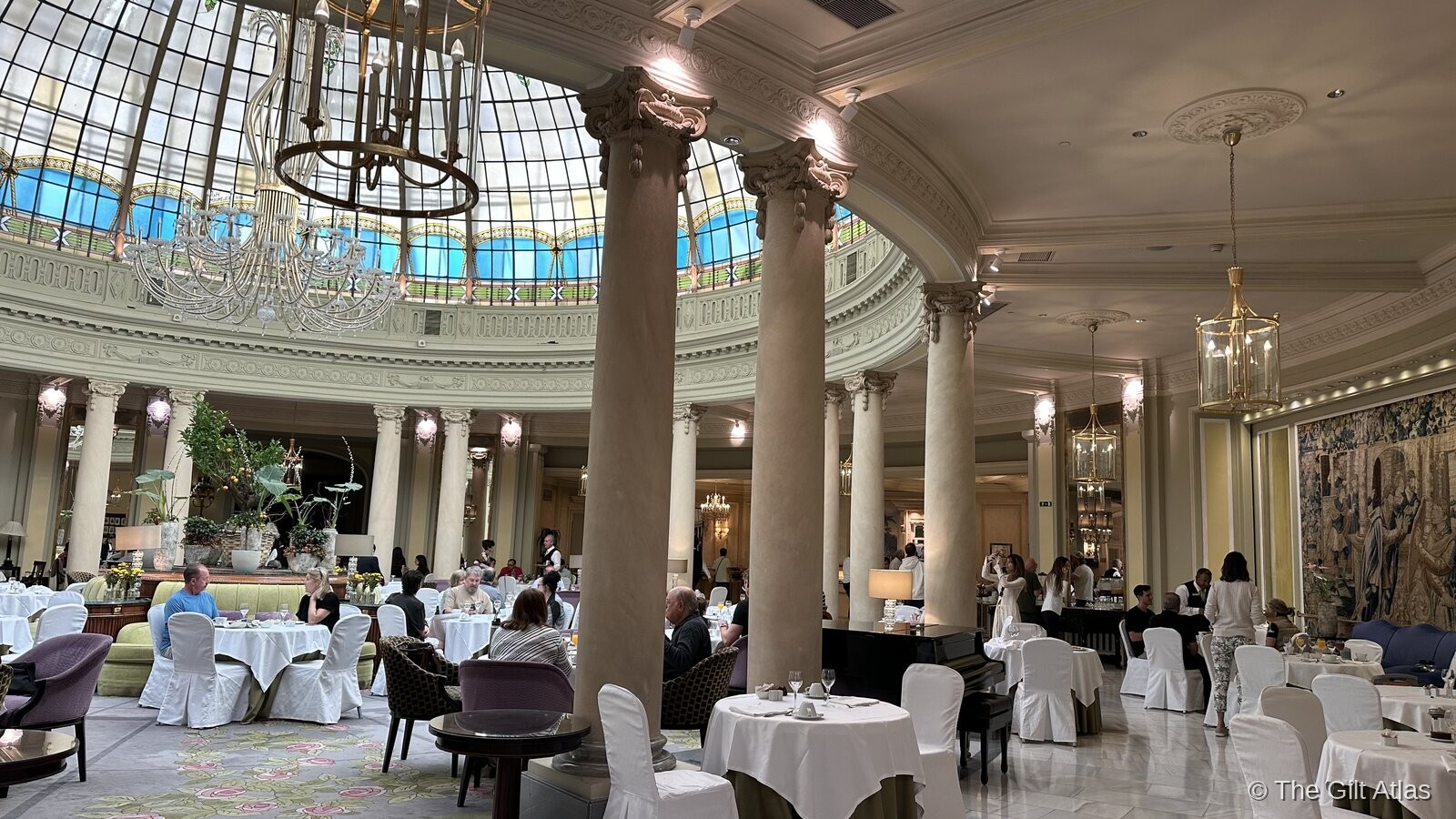
The location: the best address in Madrid
The Westin Palace sits on the Plaza de las Cortes, in the triangle of Madrid bounded by the Paseo del Prado to the east, the Puerta del Sol to the northwest, and the Retiro to the south. This is, for the traveler who wants to walk everywhere and arrive somewhere interesting at every turn, the ideal base in the city. Almost everything that matters in Madrid is within walking distance, and the walk itself — through one of the great urban boulevards of Europe — is part of the pleasure.
The best address in the city on foot
The proximity to Atocha station deserves particular emphasis for travelers planning to explore beyond Madrid. The high-speed AVE network connects Atocha to Toledo in 30 minutes, to Seville in 2.5 hours, to Granada in 3 hours, and to Barcelona in 2.5 hours. Being able to walk from the hotel to the station with luggage — avoiding taxis, metro, and the general friction of transit connections — makes day trips or onward travel dramatically more manageable. On a driving tour of Andalucía with AVE legs from Madrid, this is not a minor consideration.
The area around Plaza de Santa Ana is worth singling out as well. The square and the streets radiating from it — Calle de las Huertas, Calle del León, Calle de Echegaray — contain some of the finest tapas bars and traditional restaurants in Madrid. This is the barrio of the Madrid that Hemingway wrote about, where the cervecerías have been serving the same montaditos for generations and the evening paseo is as lively at 11pm as it is at 8. Having this five minutes from the hotel, on foot, is one of the defining pleasures of staying at the Palace.
Service: the warmth of a hotel that knows you
I want to be specific about what I mean when I say the service at the Westin Palace is excellent, because "excellent service" is a phrase that travel writers deploy loosely and often meaninglessly. What distinguishes the Palace is not the efficiency of the check-in or the speed of room service, though both are fine. It is the quality of the welcome — the sense that the staff are genuinely pleased you are there, that they remember your preferences across stays, and that the building's historic pride extends to the people who work in it.
Every stay here has begun with the same feeling: that I have arrived somewhere that is glad I came. This is harder to manufacture than most hotels appreciate, and the Palace does not manufacture it — it seems to emerge naturally from a staff culture that values the building they work in and the guests who return to it. For a hotel of this size, operating at the volume that a major Madrid landmark must absorb, that warmth is a meaningful achievement.
As a Marriott Bonvoy elite member, the complimentary breakfast benefit is honored here with the generosity you would hope for at a flagship property. The breakfast — served in the grand dining rooms off the rotunda — is a full spread of Spanish and continental options, well-prepared and unhurried. Starting a morning in Madrid with breakfast beneath the stained glass of the Palace rotunda, with a proper café con leche and a tostada con tomate, is one of those simple hotel experiences that lodges permanently in the memory.
The rooms: old world character, newly refreshed
The Westin Palace has recently completed a significant renovation of one of its wings, and my most recent stay was in one of these newly refurbished rooms. I approached this with mild apprehension — renovations at historic hotels can go badly wrong, stripping away the character that makes the building worth staying in and replacing it with the bland contemporary luxury aesthetic that could be anywhere on earth.
The newly renovated rooms at the Westin Palace Madrid get the balance exactly right. The rooms feel fresh and contemporary in their appointments — new beds, updated bathrooms, improved lighting, modern amenities — while retaining the architectural bones that make this building what it is: the high ceilings, the generous proportions, the moldings and cornicing, the tall windows that let in the particular quality of Madrid's clear Castilian light. It is a renovation that respects what came before while honestly improving what needed improving. The result is a room that feels both historic and comfortable — which is precisely what staying at a palace hotel should feel like.
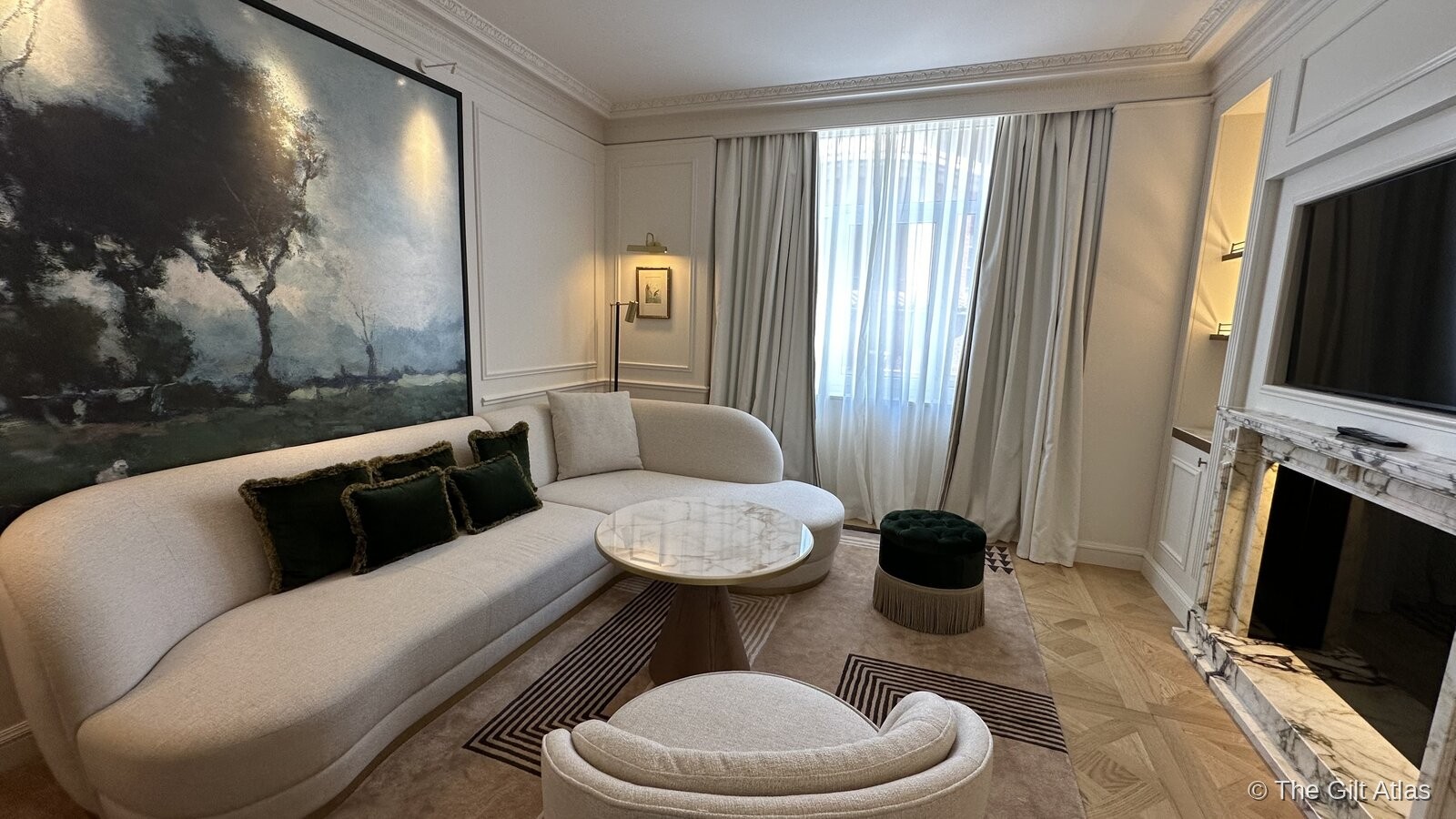
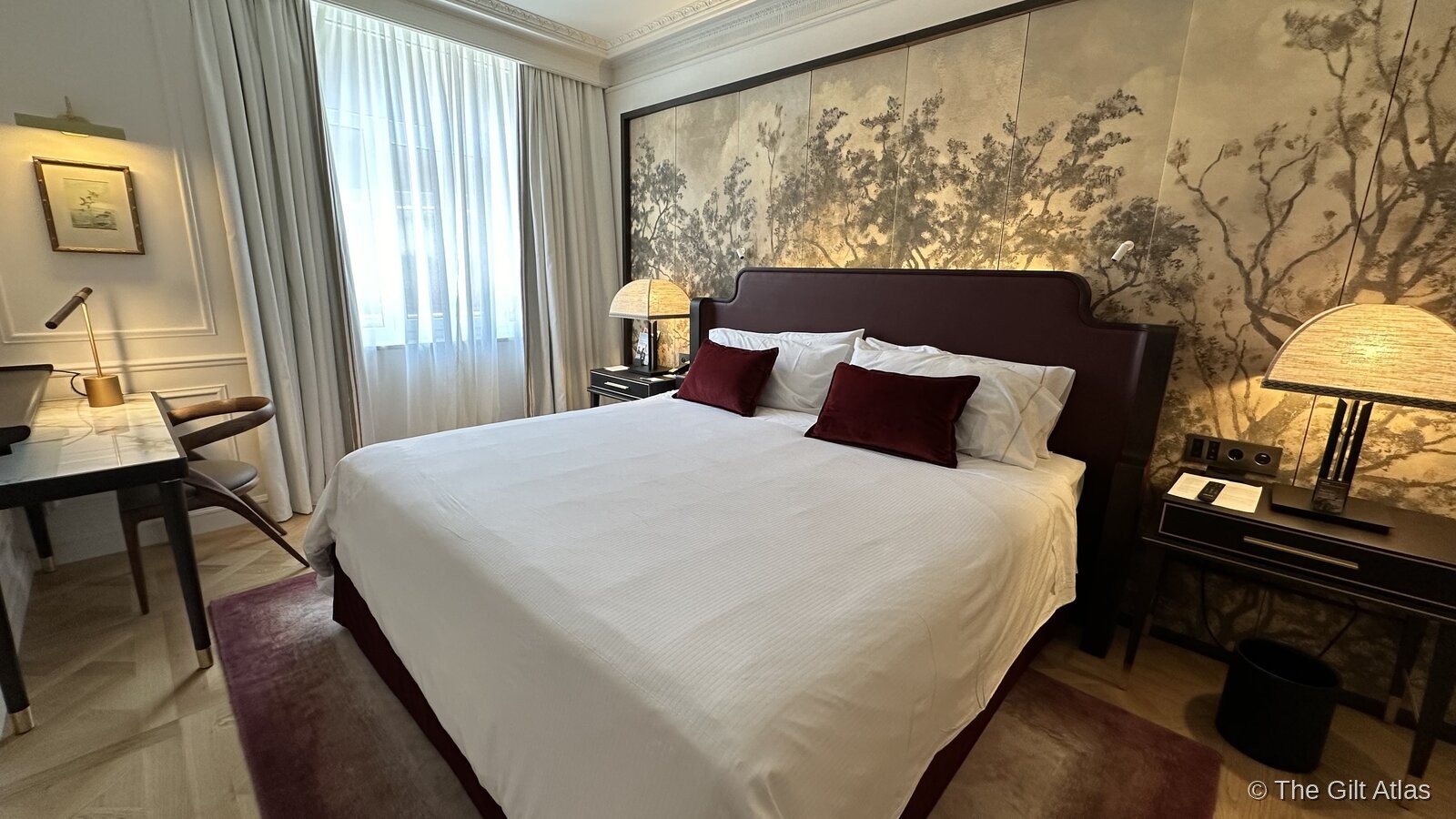
The unrenovated rooms, in my experience across earlier stays, have their own considerable charm — the patina of a room that has been well-maintained for decades has a warmth that new construction cannot replicate. But if you have the choice on your stay, requesting a room in the renovated wing gives you the best of both: the character of the building with the comfort of a modern fitout.
The verdict
The Westin Palace Madrid is the hotel I recommend to anyone asking where to stay in Madrid, and has been for years. It earns that recommendation on multiple grounds simultaneously: the building is extraordinary, the location is the best in the city for a traveler who wants to walk, the service is warm in a way that distinguishes it clearly from merely efficient, and the breakfast benefit for Bonvoy elites makes the value proposition genuinely compelling.
After multiple stays, my conviction about this hotel has only deepened. There are newer hotels in Madrid, more contemporary hotels, hotels with sleeker designs and more Instagram-friendly interiors. None of them are the Westin Palace, and none of them have La Cúpula. When I am in Madrid, this is where I stay. When you are in Madrid, this is where you should stay.
A historic grande dame that earns every return visit. The location — walkable to the Prado, Atocha, Plaza Mayor, Reina Sofía, and the Santa Ana tapas circuit — is the best in Madrid for the traveling guest. The service carries the warmth of a hotel that values its returning guests. La Cúpula alone is worth the booking. Request the renovated wing for the best combination of old-world character and modern comfort.
Affiliate disclosure: Some links in this article are affiliate links. If you book through them, The Gilt Atlas may earn a small commission at no additional cost to you. All stays reviewed were booked independently at the author's own expense or using the author's own Marriott Bonvoy points. The hotel had no involvement in this review and no editorial oversight.