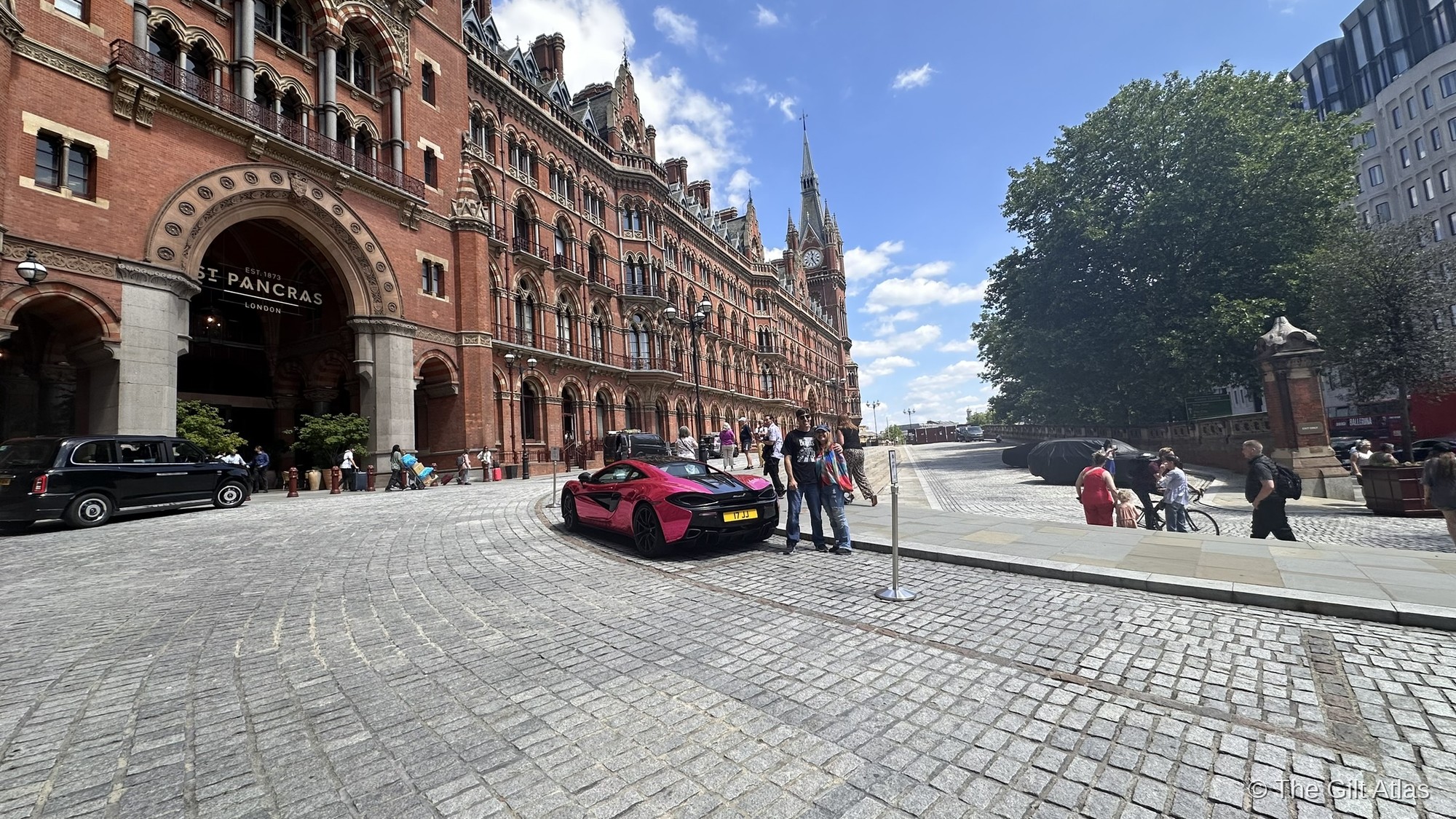
Some hotels you discover. Some you plan for years. And some you have walked past many times over many years — always pausing, always looking up at the extraordinary terracotta Gothic facade with its pinnacles and turrets and the clock tower that anchors the whole extraordinary composition — thinking one day without quite making it happen. The St. Pancras Renaissance Hotel was that hotel for me. A building I had admired on previous London visits without ever staying, partly from inertia and partly because it always seemed to require a specific occasion worthy of it.
That occasion arrived, unexpectedly, in the form of a Eurostar train from Paris. St. Pancras International station — where the Eurostar terminates on arrival into London — is directly connected to the hotel. Step off the train, follow the signs, walk through the station, and you are in the hotel lobby. No taxi. No tube. No luggage-hauling through the Underground. The most seamless city-to-hotel transit of any property I have stayed at. It also made the "one day" finally into "today."
The arrival: step off the Eurostar, walk in
The connection between St. Pancras International and the Renaissance Hotel is one of the most practically useful accidents of geography available to the premium traveler in Europe. The Eurostar — the high-speed rail service between London and Paris or Brussels, which I reviewed separately in the First Class section — arrives at St. Pancras International. The hotel occupies the building directly attached to the station's western side. The walk from the Eurostar platform to the hotel reception involves no vehicles, no street crossings, and no additional transit. It is, by some margin, the easiest check-in process I have experienced at a London hotel.
How the Eurostar connection actually works
If you are traveling the Paris–London route by Eurostar, the case for staying at the St. Pancras Renaissance is partly architectural, partly service — and partly just the extraordinary convenience of this connection. The combination is hard to beat.
The building: the finest Victorian hotel in the world
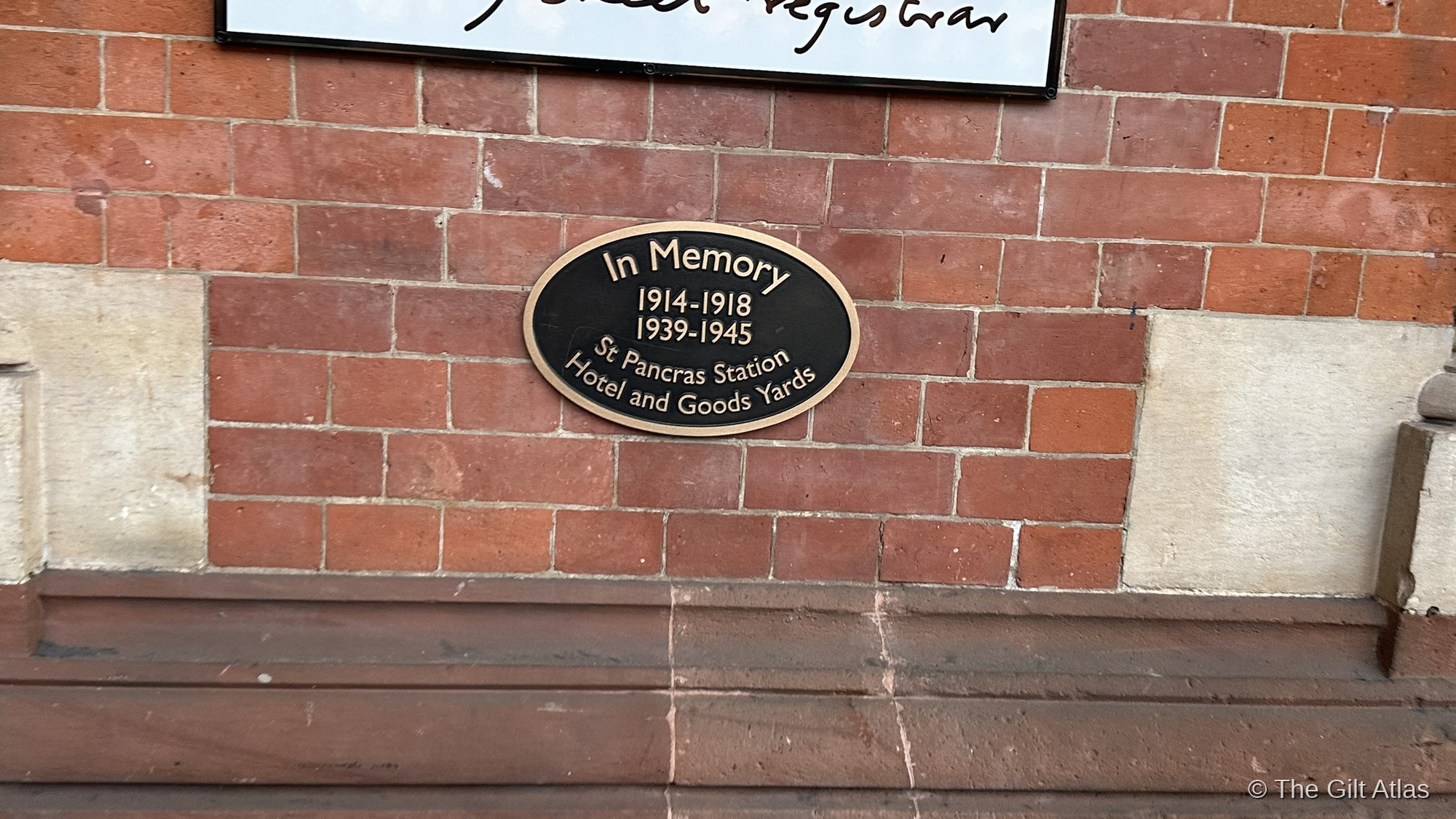
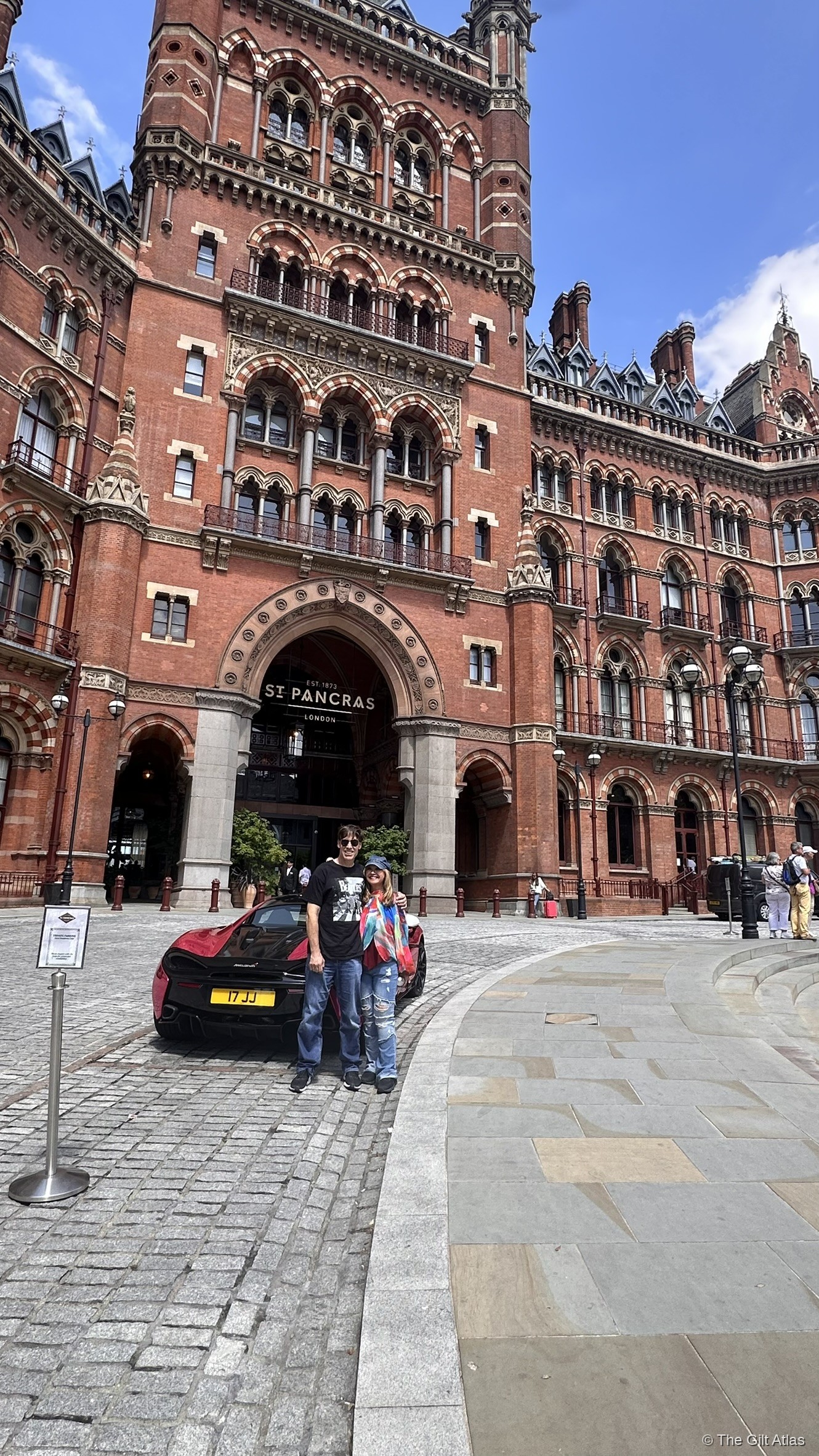
The St. Pancras Renaissance — originally the Midland Grand Hotel — was designed by Sir George Gilbert Scott and opened in 1873. It is a Grade I listed building, a UNESCO World Heritage Site nominee, and by wide critical consensus one of the greatest works of Victorian Gothic architecture in the world. The exterior, with its soaring terracotta facade, its arched windows, its pinnacles and turrets and the 270-foot clock tower above the station entrance, is the kind of building that stops people in the street even in a city as accustomed to architectural grandeur as London.
A brief history of an extraordinary structure
The restoration completed in 2011 is, by any measure, a triumph. The challenge of converting a Victorian Gothic railway hotel — with its elaborate interiors, its grand staircase, its Gothic Revival details — into a functioning 21st-century luxury hotel while preserving the building's integrity was enormous. The result speaks for itself. Walking through the public areas of the St. Pancras Renaissance, you are aware of being inside something extraordinary in a way that is qualitatively different from staying at even a very beautiful contemporary hotel. The building is the experience.
The grand staircase alone is worth the booking. A sweeping double staircase of painted iron and carved stone, rising through the building's central hall, it is one of the most photographed interior spaces in London and entirely deserving of the attention. The rooms opening off the upper floors of the staircase, with their pointed Gothic arches and high ceilings, communicate Victorian ambition in a way that no amount of boutique renovation can replicate.
"Walking through the public areas, you are aware of being inside something extraordinary — in a way that is qualitatively different from staying at even a very beautiful contemporary hotel. The building is the experience."
— From the notebook, LondonThe rooms: Victorian scale, modern comfort
The rooms at the St. Pancras Renaissance carry the building's proportions — high ceilings, generous dimensions, the arched Gothic windows that on the upper floors look out across the rooftops of King's Cross and the city beyond. The interiors have been designed to complement rather than compete with the architecture: rich colours, quality fabrics, furniture that respects the Victorian register of the building without attempting a museum-piece recreation of it. They feel like rooms that belong to this building, which is exactly right.
The combination of Victorian scale and modern amenity — a proper bathroom, a comfortable bed, functioning climate control, the technology infrastructure of a contemporary luxury hotel — is handled well. Some historic conversions get one or the other right and sacrifice the other. The St. Pancras manages both, which is the difficult part.
Breakfast: from the regular menu, complimentary
The breakfast benefit at the St. Pancras Renaissance is delivered in a format that distinguishes it from the standard hotel breakfast lounge approach: as a Marriott Bonvoy elite member, breakfast here is taken in the hotel's restaurant and ordered from the regular menu rather than being a separate buffet or fixed selection. This is meaningfully more generous than the lounge breakfast model — you choose what you want, it arrives properly cooked and presented, and the experience feels like an actual restaurant breakfast rather than a hotel amenity.
Elite breakfast here is ordered from the regular restaurant menu rather than a separate buffet — a notably more generous execution of the benefit than the lounge or fixed-spread model at many Bonvoy properties. The setting, in the hotel's ground-floor restaurant with the Gothic architectural detail of the building around you, adds considerably to the experience. A proper Full English is available, as are lighter options. Take your time.
Service: warm throughout, check-in a touch slow
The service across the stay was consistently warm and attentive — the staff carry the building's sense of occasion without it tipping into stiffness or formality. There is a genuine enthusiasm for the place that is communicated naturally rather than performed, which is exactly the culture you want to encounter at a hotel this inherently theatrical.
The one note is on check-in, which was a little slow relative to what you might expect at a property of this tier. This is a minor observation rather than a significant complaint — the wait was not unreasonable and the process once engaged was efficient and friendly. But it is worth noting that check-in at busy periods may take a few minutes longer than the seamless arrival that the Eurostar-to-lobby experience promises.
The exterior: admire it both ways
Something worth doing that is easy to forget when you arrive by train and enter from the station side: make time to walk out onto Euston Road and see the hotel's main facade from the street. This is the view that stopped me on previous trips. The full terracotta Gothic elevation — 600 feet of it — with the clock tower rising above the station train shed behind it, is one of the most spectacular pieces of Victorian architecture in London and one of the most recognisable urban silhouettes in Britain.
Standing on Euston Road at dusk, when the building is lit and the clock tower is reading the time above the city, is one of those simple pleasures of travel that costs nothing and produces a specific kind of satisfaction — the satisfaction of being, finally, inside something you have admired from the outside for years.
The verdict
The St. Pancras Renaissance is one of the handful of hotels in the world where the building itself is the primary reason to stay — where the architecture produces an experience that cannot be replicated at any other address. Add the direct Eurostar connection, the menu breakfast benefit, and service that suits the building's occasion without overwhelming it, and the case for staying here on any Paris–London rail itinerary is essentially complete.
If you are traveling between Paris and London by Eurostar, staying at the St. Pancras Renaissance is not merely convenient — it is the conclusion of one of the great European rail journeys, landing you inside one of the great Victorian buildings, in one of the world's great cities. Book it. Walk up the grand staircase. Have breakfast from the menu. Then go out and look at the facade from the street. It has been worth waiting for.
One of a small number of hotels where the building itself justifies the booking. The Victorian Gothic exterior and grand interior of the former Midland Grand — paired with direct Eurostar station access, a menu breakfast benefit, and warm service — make this the natural conclusion to a Paris–London rail journey. Walk up the grand staircase. Walk out to Euston Road and look up. Have breakfast from the menu. A stay that earns the years of curiosity it took to arrive at it.
Affiliate disclosure: Some links in this article are affiliate links. If you book through them, The Gilt Atlas may earn a small commission at no additional cost to you. This stay was booked independently using Marriott Bonvoy points. The hotel had no involvement in this review and no editorial oversight.